Kōji Amazake: Japan's Traditional Sweet Elixir
Amazakē (甘酒), literally “Sweet Sake”, has sustained Japanese people for centuries (it’s not to be mistaken for Sakekasū Amazakē, which is made from sake lees). Traditional kōji amazakē contains little to no alcohol, and its sweetness comes from kōji enzymes breaking rice starches into natural sugars.
For centuries, amazakē has been Japan’s go-to pick-me-up elixir, enjoyed by people from every walk of life. During times of peace, many samurai brewed and sold amazakē as a side business. Today, amazakē is appreciated not only for its complex sweetness but also for its proven health benefits. Studies show that regular consumption can support healthy digestion and improve skin hydration. Naturally rich in B vitamins, amino acids, and beneficial fermentation compounds, amazakē offers light, nourishing energy that’s easy to digest.
How to Make Authentic Amazake at Home?
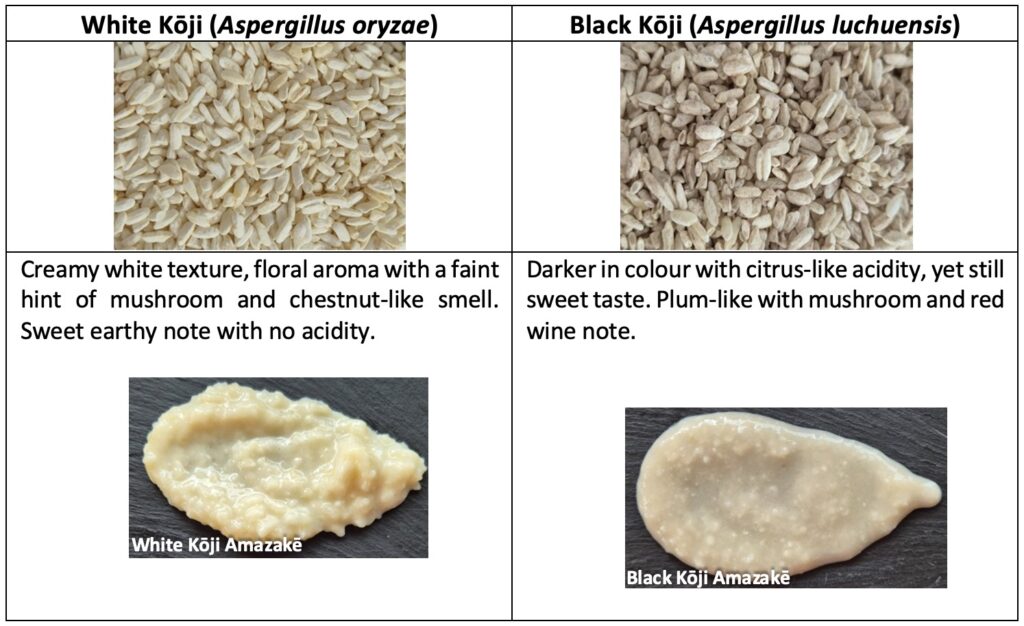
To make amazakē, I sometimes use white Kōji starter made by Aspergillus Oryzae spores, or black Kōji starter made by Aspergillus luchuensis spores. You can use either, but there is a taste difference between these two:
Ingredients and Equipment:
Here are two ingredients you’ll need:
- 200 g Dry rice kōji (purchase online, e.g. https://www.riceculture.com.au/ or from Japanese grocery shop.
* If you’re into homemade nerdiness, you can buy kōji spores, make fresh kōji, and use 250 g of it in this recipe.
- 200 ml Filtered water (heated to 50-55 °C)
** Some recipes also mix in 200 g freshly steamed rice with the ingredients above. The choice really comes down to your preferred texture and flavour (without steamed rice, amazakē will be stronger in flavour). Try both versions and see which one you love most!
You will need three equipment:
Heat chamber (e.g. Yogurt maker, rice cooker with a “keep warm” setting, multicooker with fermentation mode or a large thermos flask
Thermometer
Clean wooden spoon
Method:
Step 1: Preparation
- Sterilise the jar and utensils which you will be using with boiling water.
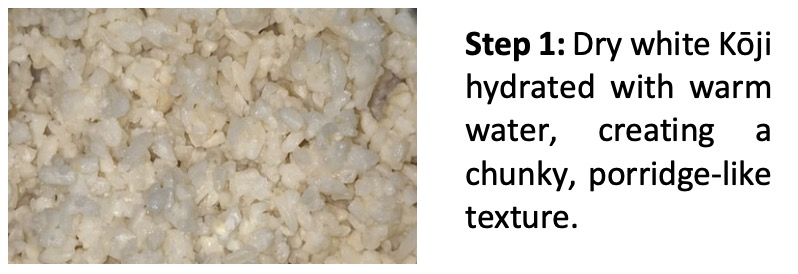
- Warm the filtered water to 50-55 °C, pour over the dry Kōji in a jar, and mix well with the wooden spoon.
Step 2: Incubation time (enzymatic sweetening step)
- Place the jar in your selected heated chamber.
- Maintain a steady 50-55 °C for 12 hours. Stir once or twice during this incubation process (Temperature should not exceed 57 °C).
Step 3: Completion
After 12 hours, the texture becomes smoother, and you can taste the sweetness.
Optional:
1. Blend the amazakē to get a smoother texture.
2. Heat the amazakē to 80 °C to stop the bioactive process. Without this step, amazakē will continue fermenting and may turn sour, alcoholic, or develop off flavours. If you skip the heat inactivation step (which I do to preserve the bioactive enzymes), then make sure you use the refrigerated amazakē within 7 days.
bbb
Allow amazakē to cool fully before transferring to the refrigerator and enjoy using it within 7 (without heat-inactivation) to 14 days (with heat-inactivation).
How to Enjoy Amazake:
From enjoying it as is, adding it to your water, blending it into cocktails, infusing it with medicinal mushrooms (like Reishi, Cordyceps, or Lion’s mane), to using it in facial masks – Amazakē’s versatility is limited only by your imagination. Enjoy it however you like!
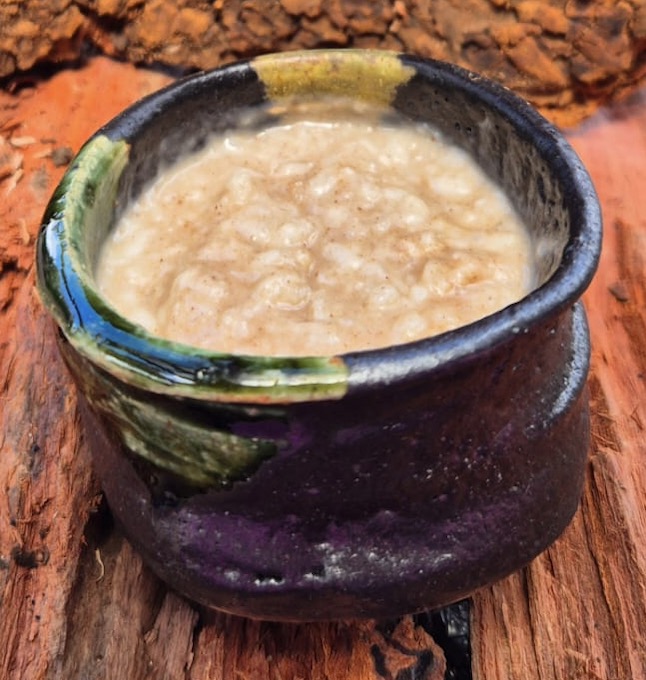
Traditional style: Serve a warm cup of undiluted white amazakē, gently heated to drinking temperature, just as it has been offered for centuries at temples and shrines during the Japanese New Year.
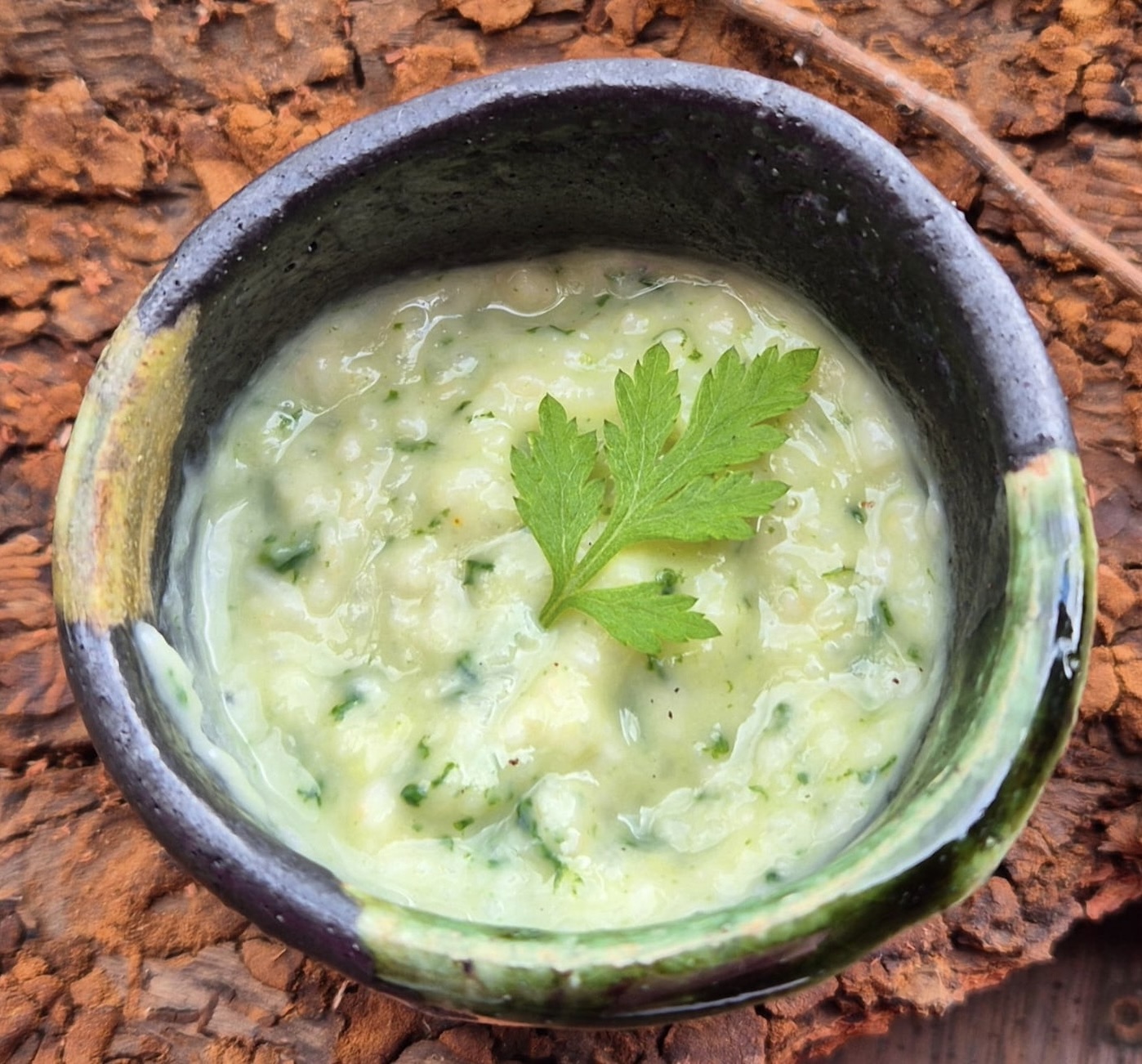
Sara’s Recipe #1 – Mugwort Amazakē: Blend 5-10 blanched fresh mugwort leaves into a warm cup of undiluted amazakē with a pinch of Celtic salt (mugwort is bitter, so adjust the amount to suit your taste).
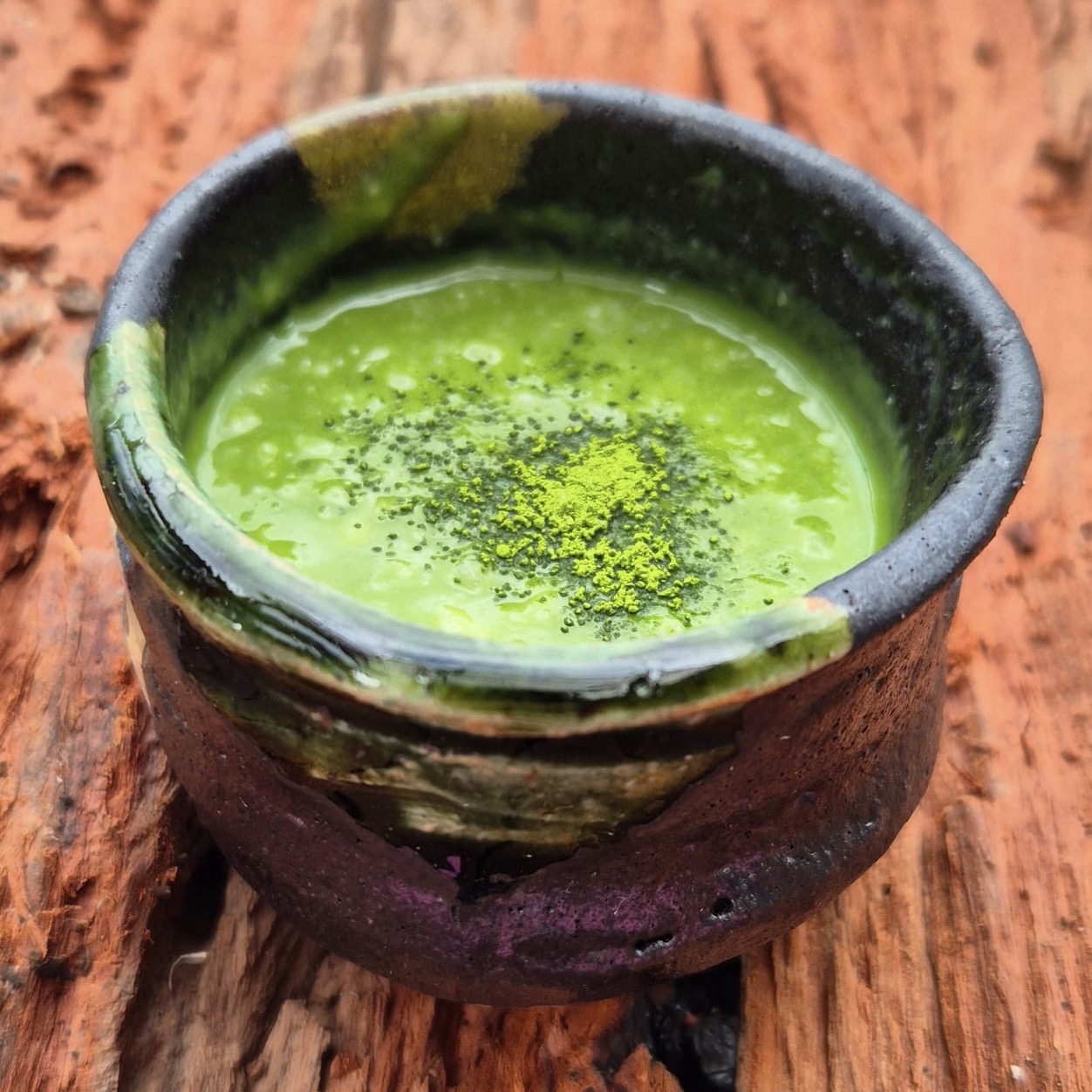
Sara Recipe #2 – Matcha Amazakē: Whisk up a pure cup of matcha, then mix it with an equal amount of warm, undiluted amazakē. You can replace matcha with any of your favourite tea blends!
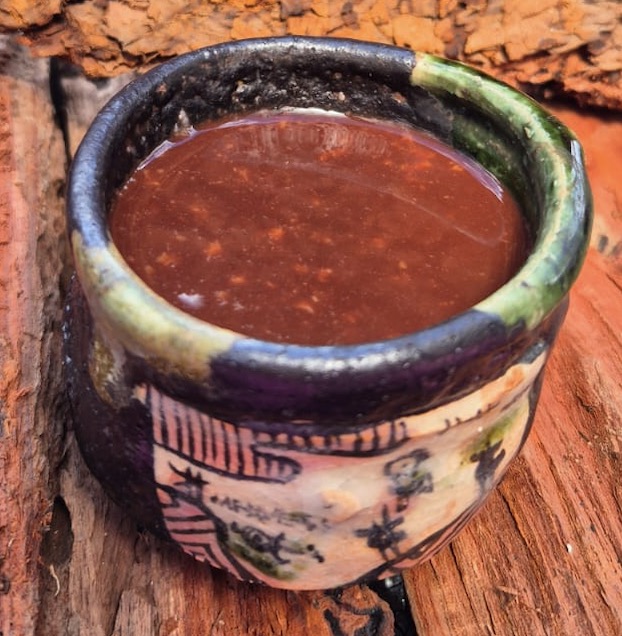
Coffee or Chocolate Amazakē: Dilute your amazakē 1:1 with milk of your choice or use undiluted amazakē. When ready, prepare a black coffee or a cup of pure hot chocolate and stir it into the amazakē or amazakē-milk blend. Use equal parts or adjust the ratio to suit your taste (inspired by Sam Cooper’s book: The Fermentation Kitchen).
Amazakē with Cinnamon and Ginger: Gently heat your amazakē (diluted or undiluted, as you prefer) with a pinch of ground cinnamon and a slice of fresh ginger for a soothing, warming drink.
Sara Recipe #3 – Saffron Amazakē: Brew saffron, then mix it with warm, undiluted
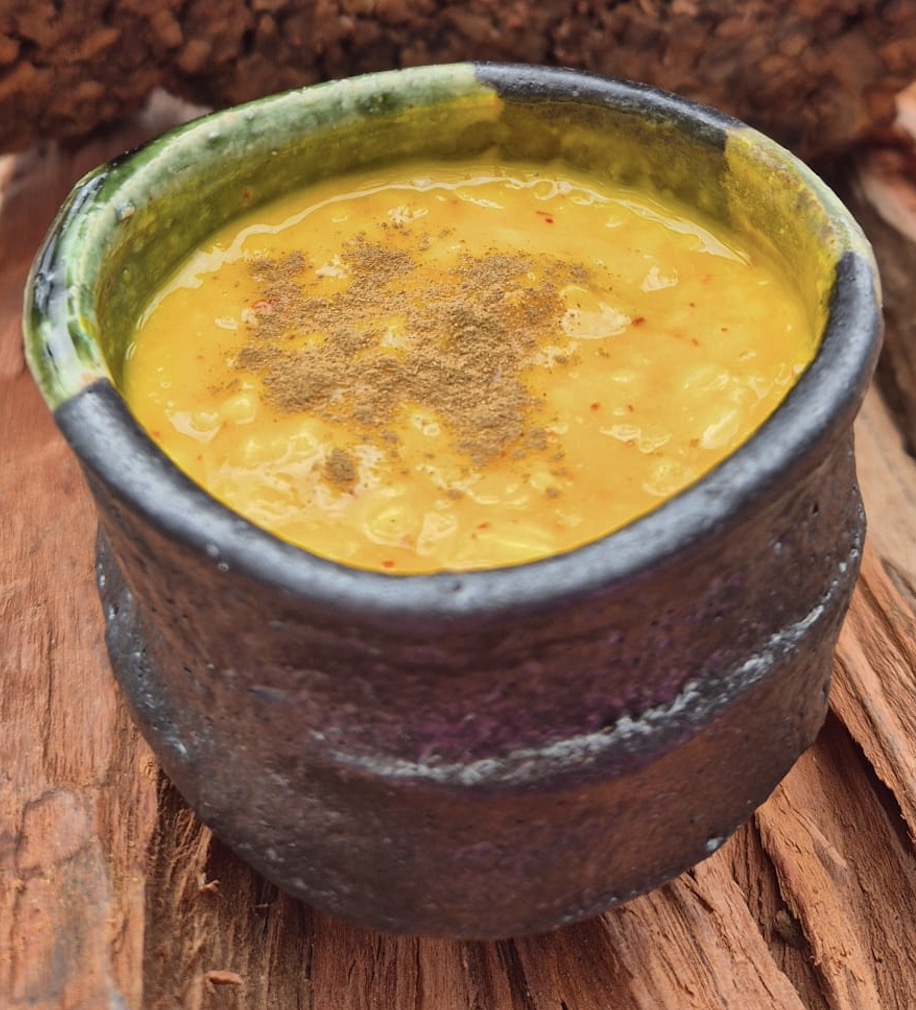
Amazake and add a dash of rose water and cinnamon (inspired by a Persian dessert called Sholezard).
People with diabetes and fatty liver can enjoy amazakē in small, controlled amounts, but it should be treated like any other high-sugar food (blood glucose should be monitored, and consumption kept in low).
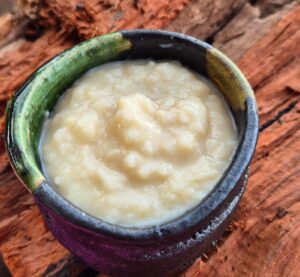
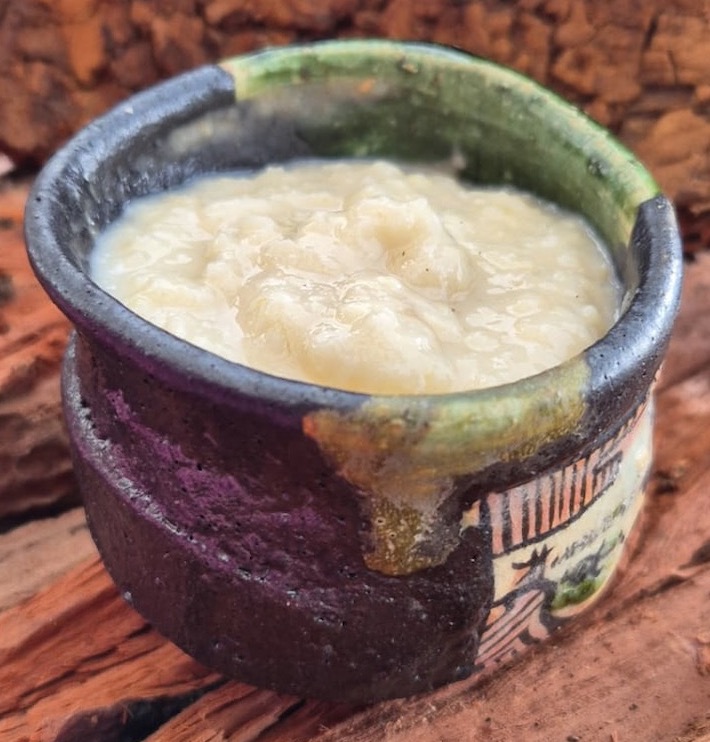
The beautiful Oribe cup shown here is a handcrafted piece by Aaron Scythe (https://www.ascythe.com/ceramics). There’s something truly special when food and vessel come together- each completes the other, bringing out their shared beauty.
get in touch
Have any questions about Acupuncture and Moxibustion treatments? Sara is available to discuss your health concerns and treatment options.
Copyright © 2023- 2026 Acupuncture Moxa Melbourne – All Rights Reserved.